
How Much Does Residential Solar Cost in 2026?
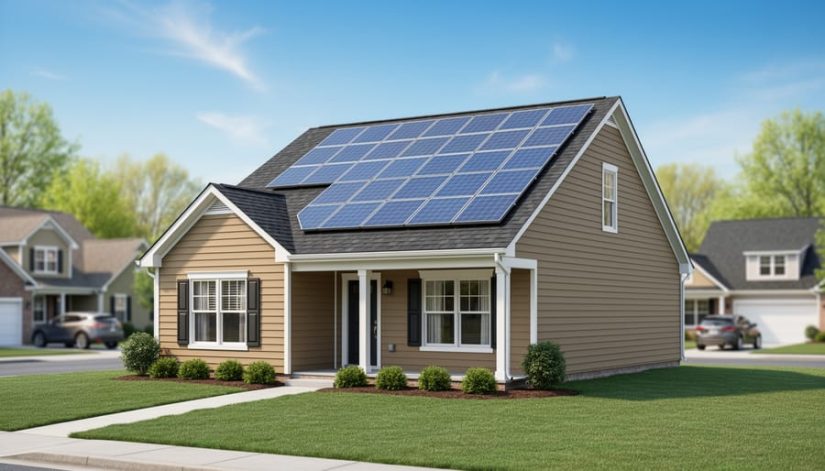
In 2026, most North Carolina homeowners installing solar panels will spend between $25,000 and $30,500 for a complete system before incentives. That breaks down to an average of $2.58 per watt, though you might see quotes ranging anywhere from $2.41 to $3.34 per watt depending on your installer and equipment choices.
Understanding what drives that price tag matters just as much as knowing the baseline number. The biggest cost factors include your roof’s condition and orientation, the efficiency rating of the panels you choose, whether you add battery storage, and your installer’s labor rates. A straightforward installation on a south-facing roof with minimal shading will cost substantially less than a complex multi-plane roof that requires additional structural work.
We’ve built this guide to walk you through exactly where your money goes in a residential solar installation and which variables you can control to manage costs. You’ll see how system size scales with price, what percentage of your investment goes to equipment versus labor, and when a do-it-yourself approach might save money versus when professional installation protects your investment. Our focus stays on helping North Carolina homeowners make informed decisions backed by current market data and transparent cost breakdowns, so you can evaluate solar quotes with confidence and understand the real value you’re getting for each dollar spent.
What You’ll Pay for Solar in 2026
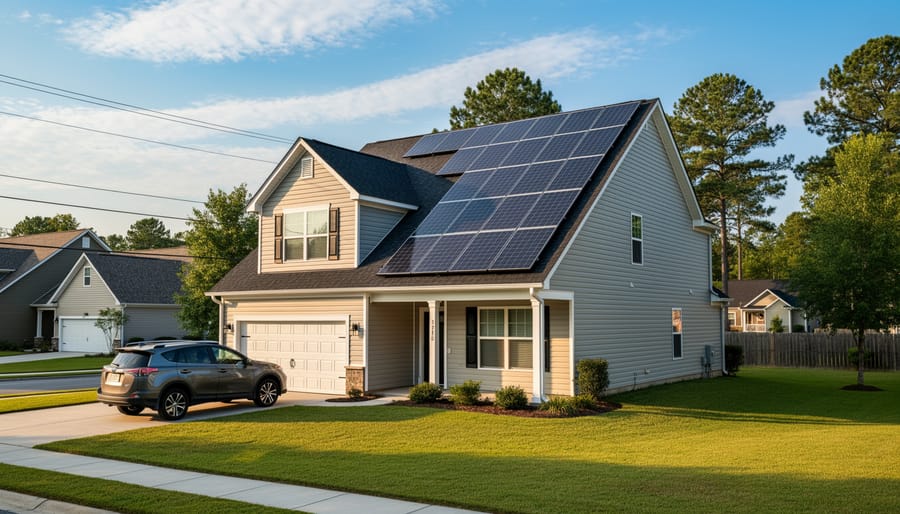
In 2026, most homeowners investing in solar can expect to pay between $25,000 and $30,500 for a complete residential system before applying any incentives. That works out to roughly $2.58 per watt on average, though individual quotes typically range from $2.41 to $3.34 per watt depending on your specific situation and location.
The spread in pricing reflects different system sizes and home energy needs. Smaller installations serving modest electricity consumption generally fall in the $15,000 to $25,000 range, while a standard residential setup runs closer to the upper end of that spectrum. For context, the typical American household requires about 12 kilowatts of solar capacity to offset its electricity usage, and systems of that size averaged $31,135 in 2026 before incentives were applied.
Here’s how 2026 residential solar costs break down by system size:
| System Size | Total Cost Range (Before Incentives) | Cost Per Watt |
|---|---|---|
| 6 kW | $14,460, $20,040 | $2.41, $3.34 |
| 8 kW | $19,280, $26,720 | $2.41, $3.34 |
| 10 kW | $24,100, $33,400 | $2.41, $3.34 |
| 12 kW (typical) | $28,920, $40,080 | $2.41, $3.34 |
These figures represent the full upfront investment before federal tax credits, state programs, or utility rebates reduce your net cost. The actual amount you’ll pay depends on available incentives in North Carolina and your eligibility for them, which we’ll cover later in this guide.
What matters right now is understanding that a “typical system” means different things for different homes. A 12 kW installation has become the benchmark because it matches average American household electricity consumption, but your specific needs might call for more or less capacity. A small, energy-efficient home might only need 6 kW, while a larger property with electric heating or a pool could require 15 kW or more.
How System Size Affects Your Total Cost
Solar system costs scale directly with capacity. At an average of $2.58 per watt, a 5 kW system runs about $12,900, while a 10 kW system costs around $25,800, and a 12 kW system averages $31,135 before incentives. The math is straightforward: double the system size, double the price.
Your home’s electricity consumption determines the system size you need. A small household using 500-600 kWh monthly might need only 5-6 kW of capacity. A typical family consuming 900-1,000 kWh monthly requires approximately 12 kW, the most common residential system size. Larger homes or those with electric vehicles, pools, or high HVAC use can easily need 15-20 kW systems, pushing costs to $38,700, $51,600.
Here’s how household profiles map to system requirements: A 1,500-square-foot home with two occupants and modest energy habits typically needs 6-8 kW ($15,480, $20,640). A 2,500-square-foot home with a family of four using standard appliances fits the 10-12 kW range ($25,800, $31,135). A 3,500-square-foot home with multiple residents, central air, and an EV charger often requires 15+ kW systems, exceeding $38,700.
The relationship between consumption and cost means you can’t simply choose a smaller system to save money if your energy use demands more capacity. Undersizing leaves you buying grid power anyway, defeating the investment’s purpose. Review your actual electricity bills over twelve months to identify your average monthly consumption, then work with installers to size the system that meets, not exceeds, your genuine needs. Right-sizing maximizes value without overpaying for unused capacity.
Where Your Money Goes: Solar Installation Cost Breakdown
When you receive a quote from a solar installer, you’re not just paying for panels on your roof. A residential solar installation involves multiple components and services that combine to create a functioning, code-compliant energy system. Here’s where your investment actually goes.
Equipment costs typically account for 35-45% of your total system price. This category includes several key components:
- Solar panels themselves, which convert sunlight into electricity and represent the largest single equipment expense
- Inverter systems that transform DC power from panels into usable AC electricity for your home
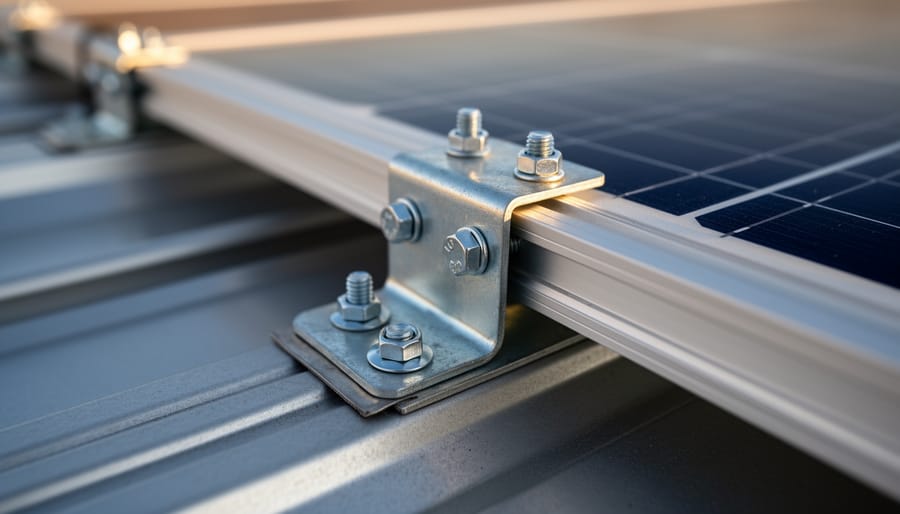
- Mounting and racking hardware that secures panels to your roof structure
- Electrical components including wiring, conduit, disconnects, and safety equipment
- Monitoring systems that track your system’s performance and energy production
Quality matters significantly in equipment selection. American-made panels and inverters often command premium prices, sometimes 10-15% higher than imported alternatives, but they typically offer superior warranties, better performance in real-world conditions, and support domestic manufacturing jobs. When comparing quotes, ask specifically about equipment sourcing and country of origin.
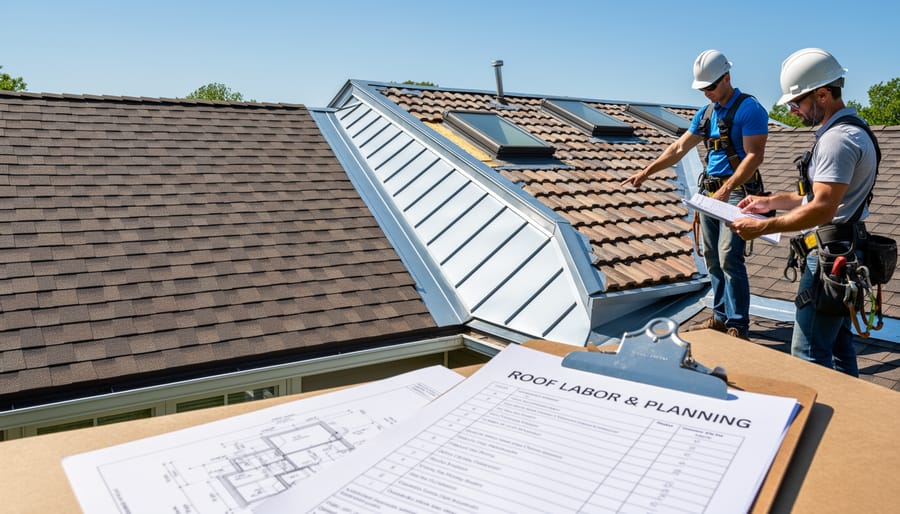
Labor and installation consume another 25-35% of your project cost. This covers the physical work of mounting racking systems, installing panels, running electrical connections, and integrating your system with your home’s electrical panel. Experienced crews work safely at heights, properly seal roof penetrations to prevent leaks, and ensure every connection meets electrical code. The complexity of your roof directly affects labor hours and costs.
Permits, inspections, and interconnection fees generally run 5-10% of the total. Your installer handles applications with local building departments, utility companies, and electrical inspectors. This administrative work ensures your system is legal, safe, and connected to the grid properly. Requirements vary by jurisdiction, which partially explains regional price differences.
System design and engineering takes up roughly 5-8%. Before installation begins, qualified professionals assess your roof, calculate optimal panel placement, size the system to your energy needs, and create detailed electrical plans. This planning prevents costly mistakes and maximizes your system’s long-term production.
The remaining 15-20% covers company overhead, insurance, warranties, and profit margins. These costs support the business infrastructure that ensures your installer will be around for warranty claims and service years down the road.
Understanding this breakdown helps you evaluate quotes more critically and ask informed questions about where installers are cutting costs or adding value.
What Drives Solar Panel Prices Up or Down
Location and Local Market Conditions
Where you live plays a major role in what you’ll pay for solar. Labor costs vary widely across the United States, installers in metropolitan areas and high-cost-of-living regions typically charge more per hour than those in rural or lower-cost markets. Local competition matters too: areas with many established solar companies tend to see more competitive pricing, while regions with fewer installers may face higher rates due to limited options.
Permitting and interconnection processes differ by jurisdiction. Some municipalities have streamlined solar approvals that add minimal cost and time, while others require multiple inspections, extensive documentation, and higher permit fees that can add hundreds or even thousands to your project. Regional demand also influences pricing, markets with strong solar adoption often benefit from economies of scale and installer efficiency.
North Carolina sits in a relatively favorable position. The state has seen steady solar growth, creating a competitive installer market in major metro areas like Charlotte, Raleigh-Durham, and the Triad. Permitting processes have become more standardized in many counties, though rural areas may still face longer timelines. Labor rates here generally fall below those in coastal states like California (where costs run $2.40, $3.25 per watt), helping keep North Carolina installations closer to the national average of $2.58 per watt.
Your Roof’s Impact on Installation Costs
Your roof isn’t just a surface for panels, it’s a key cost variable. Older roofs near replacement may need re-roofing before installation, adding $5,000, $15,000 to your project. Material matters too: asphalt shingle roofs are straightforward and cheapest to work with, while tile roofs require careful removal and reinstallation of tiles around panels, increasing labor time. Metal roofs often need specialized mounting hardware but generally install faster once materials arrive.
Roof pitch affects safety equipment and labor hours. Steep roofs (8/12 pitch or greater) demand harnesses, scaffolding, and slower work, driving up installation costs 15-25% compared to gentle slopes. Access difficulty, think multi-story homes, tight side yards, or properties without nearby truck access, forces installers to hand-carry equipment longer distances, padding labor expenses.
Structural concerns add another layer. If your roof framing can’t support the additional 3-4 pounds per square foot that panels add, you’ll pay for engineering assessments and reinforcement work before a single panel goes up. Installers inspect roof decking for rot or damage during site surveys; any discovered issues must be fixed first, protecting both your investment and your home’s integrity.
Equipment Quality and Technology Choices
The equipment you choose makes up roughly half your total installation cost and determines how much electricity your system produces over its 25-30 year lifespan. Standard-grade solar panels typically convert 17-19% of sunlight into electricity, while premium modules reach 21-23% efficiency, producing more power in the same roof space. That higher output can mean fewer panels needed or better performance on smaller roofs, though premium equipment adds $0.30, $0.60 per watt to your system cost.
Inverter technology presents a similar trade-off. String inverters cost less upfront but one shaded panel reduces output for the entire string. Microinverters and power optimizers cost 10-15% more yet maximize production from each panel individually, paying off on roofs with shade, multiple orientations, or complex layouts. American-made equipment often carries longer warranties (25 years versus 12-15 for imports) and supports domestic manufacturing, though it commands a 5-10% premium. Battery storage adds $7,000, $15,000 to your project, delivering backup power and time-of-use savings where electricity rates vary by hour. Monitoring systems now come standard with most inverters, tracking real-time production through smartphone apps.
Professional Installation vs. DIY Solar: Cost Trade-offs
DIY solar installation can slash your upfront costs by 30 to 40 percent compared to hiring professionals, savings that often translate to $7,500 to $12,000 on a typical residential system. You’re cutting out labor charges that normally account for the largest portion of installation expenses beyond equipment. For handy homeowners comfortable working at heights and with electrical systems, the appeal is obvious.
But those savings come with substantial trade-offs that many homeowners underestimate. Installing solar panels yourself means navigating complex permitting processes alone, which vary widely by jurisdiction and often require multiple inspections at different project stages. Electrical code compliance becomes your responsibility, and a single mistake can fail inspection, forcing you to redo work at your own expense. Most equipment manufacturers void warranties when panels or inverters aren’t installed by certified professionals, potentially costing you thousands if components fail down the road.
Pros of DIY Solar
- Saves 30 to 40 percent on labor costs, typically $7,500 to $12,000 for average systems.
- Provides full control over equipment selection and installation timeline.
- Offers hands-on learning experience and personal satisfaction.
Cons of DIY Solar
- Voids manufacturer warranties on panels, inverters, and racking systems.
- Requires navigating complex permitting, inspections, and electrical code compliance alone.
- Carries serious safety risks including falls from roofs and electrical shock hazards.
- Lacks professional performance guarantees if system underperforms or fails inspection.
- May result in equipment damage from improper handling or installation errors.
Safety risks present another critical consideration. Working on roofs at steep angles while handling heavy panels creates fall hazards that result in thousands of emergency room visits annually. High-voltage DC electrical work can cause serious injury or death if connections are made incorrectly. Professional installers carry liability insurance and workers’ compensation coverage; you assume all risk yourself.
Professional installation also delivers performance guarantees that DIY can’t match. Certified installers design systems to maximize your specific roof’s production potential, account for shading patterns throughout the year, and optimize panel placement for long-term output. When issues arise, you have recourse through warranties and service agreements rather than troubleshooting problems alone.
For most North Carolina homeowners, the higher upfront cost of professional installation pays for itself through proper system sizing, code-compliant work that passes inspection the first time, protected warranties, and peace of mind that your $25,000 to $30,000 investment will perform as expected for decades. The 30 to 40 percent you save going DIY rarely offsets the risks and hidden costs that emerge when things go wrong.
Understanding Incentives and Net Cost
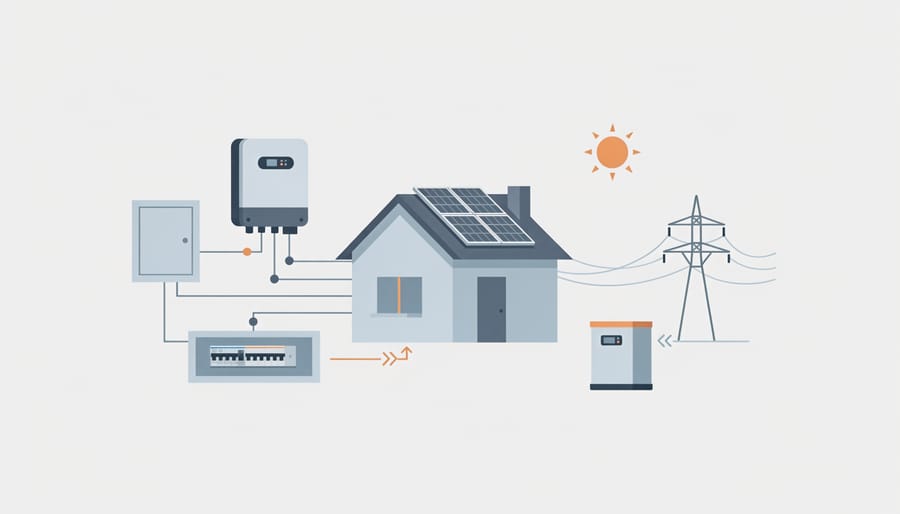
When solar installers quote you a price, they’re almost always showing the full hardware and installation cost before any incentives. That sticker shock is real, but it’s rarely what you’ll actually pay out of pocket. The difference between the quoted price and your net cost can be substantial, sometimes cutting your investment by thousands of dollars.
The federal solar tax credit remains the most significant incentive nationwide. This credit allows you to deduct a percentage of your total system cost from your federal income taxes. Unlike a rebate that gives you cash back, a tax credit reduces what you owe the IRS. If you don’t have enough tax liability in one year to claim the full credit, you can typically carry the remainder forward.
North Carolina homeowners may also qualify for state-level programs, utility company rebates, or local incentives that further reduce costs. Some utilities offer performance-based incentives that pay you for the energy your system produces. Others provide upfront rebates that lower your installation cost directly. These programs change frequently and vary by location and utility provider.
Financing options can reshape your upfront costs too. Solar loans let you spread payments over time while still claiming tax credits. Some loan programs offer deferred payments that align with when you receive your tax credit. Power purchase agreements and leases eliminate upfront costs entirely, though you won’t own the system or qualify for tax benefits.
The catch? Incentive programs come with eligibility requirements, application deadlines, and funding caps. What’s available today might not exist next month, and what your neighbor qualified for last year may have changed. That’s why it’s essential to discuss current incentives with your installer during the quoting process and verify your eligibility for specific programs before making decisions.
How to Get Accurate Quotes for Your Home
Getting accurate solar quotes isn’t about collecting random numbers, it’s about gathering information you can actually compare. Start by understanding your own energy needs before you contact installers. Pull up a year’s worth of electric bills and calculate your total annual kilowatt-hour usage. That baseline tells installers what size system you need and helps you spot quotes that don’t match your actual consumption.
Finding qualified installers requires more than a quick search. Look for NABCEP-certified professionals with verifiable local projects and established reputations in North Carolina. Check state licensing, insurance coverage, and Better Business Bureau ratings. Ask neighbors who’ve installed solar about their experiences. Local installers often provide better post-installation support than national franchises, and they understand regional permitting requirements that affect your timeline and costs.
When you request quotes, prepare to answer detailed questions about your roof. Note its age, material, pitch, and any shading from trees or nearby structures. Mention your electrical panel’s capacity and location. The more information you provide upfront, the more accurate your initial estimates will be, and the fewer surprise costs you’ll face later.
- Calculate your annual electricity consumption from utility bills to establish system size requirements
- Research and contact at least three NABCEP-certified installers with verified North Carolina experience
- Schedule on-site evaluations where installers assess your roof, electrical system, and shading conditions
- Request itemized quotes breaking down equipment costs, labor, permits, and any additional fees, not just total prices
- Verify each installer’s licenses, insurance, manufacturer certifications, and workmanship warranty terms
- Ask specifically about American-made equipment availability and any cost differences between domestic and imported panels
- Discuss financing options and which federal, state, and utility incentives the installer helps you access
- Compare quotes side-by-side on per-watt cost, equipment specifications, warranty coverage, and estimated timeline
Don’t accept vague totals. A legitimate quote itemizes panel specifications (wattage, efficiency, manufacturer), inverter type, racking systems, and warranty details for each component. It should list labor separately from materials, include permit and interconnection fees, and specify what’s covered during installation. If a quote lumps everything into one number, you can’t evaluate whether you’re paying $2.41 or $3.34 per watt, and that spread represents thousands of dollars on a typical system.
Ask direct questions about American-made equipment. Some installers default to imported panels without mentioning domestic alternatives. Request quotes with both options so you can compare quality, warranty terms, and any cost premium for supporting U.S. manufacturing. Inquire about post-installation monitoring, maintenance requirements, and how the company handles service calls years down the line.
Red flags include pressure tactics, quotes that expire in days, requests for large upfront deposits, or installers who dismiss your questions about specific components. Quality installers explain trade-offs between equipment choices and respect that you’re making a major investment. They provide references, walk you through their process, and demonstrate knowledge of North Carolina’s interconnection procedures and current incentive programs.
Common Questions About Solar Installation Costs
How long does it take to recoup the investment in solar panels?
Most homeowners recover their solar investment through electricity savings in 6 to 12 years, depending on system cost, local electricity rates, available incentives, and energy consumption patterns. North Carolina’s moderate electricity costs and decent solar incentives typically place payback periods in the middle of this range.
Do solar panels increase home value?
Yes, solar installations generally increase home resale value. Studies show buyers often pay a premium for homes with solar systems, recognizing the long-term electricity savings and environmental benefits, though the exact value boost varies by local real estate market conditions.
What financing options exist for solar installation?
Homeowners can pay cash upfront, take out solar-specific loans, use home equity loans or lines of credit, or enter lease or power purchase agreements where you pay monthly for the system or the electricity it produces. Each option has different tax credit eligibility, ownership benefits, and long-term cost implications.
Are there hidden fees in solar installation quotes?
Reputable installers provide all-inclusive quotes, but some companies list low base prices then add charges for permits, inspections, panel upgrades, roof repairs, trenching, or panel removal during roof replacement. Always request itemized quotes showing every cost component, and ask specifically about permit fees, interconnection charges, monitoring systems, and potential roof work before signing.
Beyond the questions above, homeowners often wonder about seasonal pricing variations. Installation costs themselves stay relatively stable year-round since equipment and labor rates don’t fluctuate dramatically with seasons. However, some installers offer promotional pricing during slower winter months to maintain steady workflow, while spring and summer see higher demand that can lead to longer wait times rather than price increases.
Maintenance costs remain modest for most residential systems. You’ll spend little to nothing annually since solar panels require minimal upkeep, occasional cleaning if you’re in a dusty area, and monitoring system performance through your inverter’s app. Budget for inverter replacement after 10 to 15 years, typically costing $1,500 to $3,000, depending on system size and technology. Panel warranties usually cover 25 years, so major repairs are rare within that timeframe.
One concern that surprises first-time solar buyers is the potential cost of roof replacement. If your roof needs work within the next five years, address it before installing panels. Removing and reinstalling a solar array to replace shingles underneath can cost $2,000 to $5,000, negating much of your early savings. A thorough roof inspection before committing to solar protects you from this unexpected expense and ensures your roof can support panels for their full 25-year lifespan.
Residential solar costs in 2026 range from $25,000 to $30,500 for a typical home system, averaging around $2.58 per watt before incentives. That’s a significant upfront investment, but understanding what drives those numbers puts you in control of the decision.
Your final cost depends on system size, equipment quality, roof characteristics, and local market conditions. A 12-kilowatt system might run $31,135 before incentives, while smaller installations start around $15,000. These aren’t arbitrary figures, they reflect real equipment, skilled labor, permits, inspections, and the engineering needed to deliver reliable performance for decades.
At Solar Installer Ninja, we believe North Carolina homeowners deserve transparency at every step. That means clear quotes with itemized breakdowns, honest conversations about what affects your price, and access to quality American-made equipment that performs as promised. We’re committed to community education because informed decisions lead to better outcomes.
Solar isn’t right for every home or every budget, and that’s okay. What matters is getting accurate information specific to your situation. Request detailed quotes from qualified installers, compare proposals carefully, and ask questions until you understand exactly what you’re paying for and why. The right system at the right price exists, you just need the facts to find it.
