
Why Green Energy Education Matters More Than the Solar Panels Themselves
Green energy education equips you with the knowledge to make confident, cost-effective decisions about renewable power for your home or business. The learning curve isn’t steep, but the right approach matters. By focusing on three core areas, understanding how solar technology actually works, evaluating your property’s energy profile, and navigating incentives available in 2026, you can move from curious observer to informed decision-maker in a matter of weeks.
Too many people jump into solar conversations unprepared, relying entirely on what installers tell them. That puts you at a disadvantage when comparing proposals or spotting inflated estimates. Real green energy education means grasping the fundamentals yourself: how panels convert sunlight to electricity, what influences system size and output, and why location and roof characteristics shape your results.
Here in North Carolina, we’re fortunate to have strong community resources and a growing solar infrastructure, but the responsibility to learn still falls on you. The good news? Quality information is more accessible than ever, and you don’t need an engineering degree to understand what matters. What you do need is a structured path through the noise.
This guide walks you through that path. We’ll identify trusted learning resources, break down the essential concepts that affect your bottom line, and show you how education translates directly into smarter purchasing decisions. Because choosing renewable energy shouldn’t feel like a leap of faith. When you understand the technology and economics behind it, solar becomes a practical, measurable investment rather than a mystery.
What Green Energy Education Really Means for North Carolina Residents
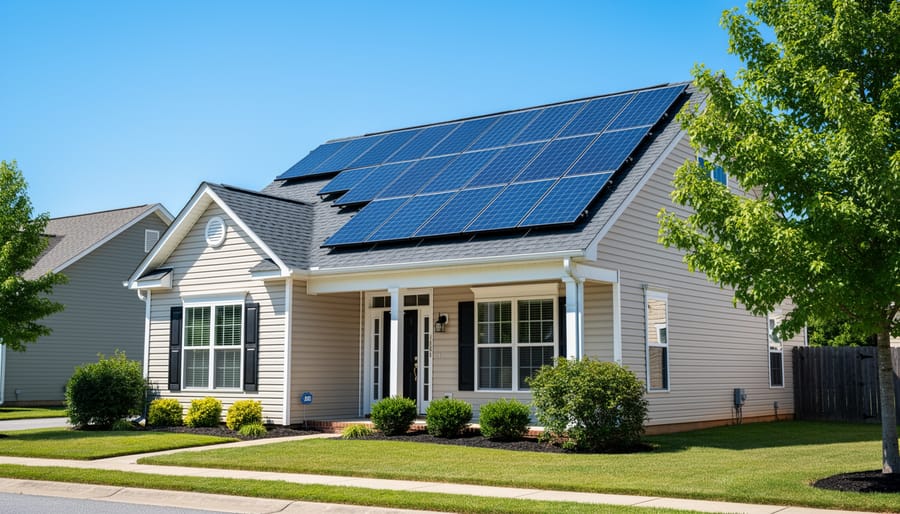
Green energy education for North Carolina residents isn’t about memorizing technical specifications or becoming an amateur electrician. It’s about developing a practical understanding of how energy flows through your home, what environmental footprint your current consumption creates, and how renewable solutions can genuinely transform both your monthly bills and your community’s air quality.
When you understand your energy consumption patterns, why your summer bills spike during those humid July afternoons or how phantom loads from devices on standby quietly drain power, you gain control over decisions that affect your wallet and your values. This knowledge lets you size a solar system accurately rather than overpaying for capacity you’ll never use or underestimating your needs and missing out on potential savings.
Education also means grasping the financial landscape specific to North Carolina in 2026. Federal tax credits, state-level programs, net metering policies, and utility-specific incentives create a complex puzzle that shifts annually. Without understanding these pieces, you might leave thousands of dollars on the table or fall for misleading claims about payback periods that don’t account for actual local conditions.
Beyond dollars and watts, green energy education connects your household choices to broader environmental realities. Understanding how coal-fired power generation affects the air your kids breathe or how renewable energy reduces strain on aging grid infrastructure during peak demand makes solar more than a financial calculation, it becomes a decision aligned with the kind of future you want for your state.
This foundation empowers you to ask better questions, spot red flags during consultations, evaluate proposals critically, and ultimately make choices that serve your actual needs rather than someone else’s sales quota.
The Building Blocks: Essential Topics Every Solar Learner Should Know
How Solar Panels Actually Generate Electricity
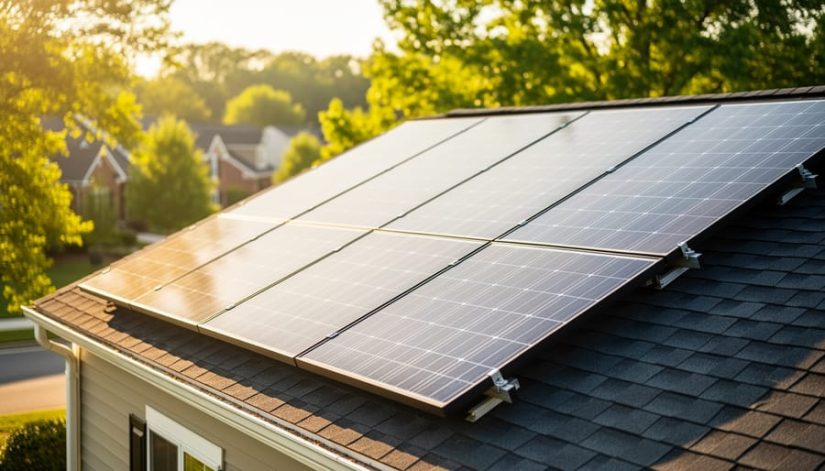
At its most basic level, solar panels work through a surprisingly elegant process. Each panel contains dozens of photovoltaic cells, typically made from silicon, that react when sunlight hits them. When photons from the sun strike these cells, they knock electrons loose from their atoms. This movement of electrons creates direct current (DC) electricity.
Your home runs on alternating current (AC) electricity, so that DC power flows to an inverter, essentially a translator that converts the electricity into a form your appliances can use. From there, it travels through your electrical panel and powers your home just like electricity from the grid, except it’s generated right on your roof.
The silicon in these cells is specially treated to create a positive and negative layer, forming what’s called a junction. When sunlight energizes electrons in the negative layer, they naturally flow toward the positive side. Metal conductive plates on the cell’s sides capture this flow as usable current. String multiple cells together, and you’ve got enough power to run your coffee maker, HVAC system, and everything else.
What about cloudy days? Your panels don’t shut off, they just produce less. Even on overcast days, diffuse sunlight still reaches your panels and generates electricity, typically at 10-25% of their full capacity. This is why proper system sizing accounts for seasonal variations and local weather patterns. Your panels aren’t binary switches; they respond proportionally to available light, producing some power from dawn until dusk year-round.
The beauty of this technology lies in its simplicity. No moving parts, no fuel, no combustion, just sunlight transformed into clean electricity through a physical reaction that’s been refined and perfected over decades.

Understanding Your Energy Consumption and Needs
Before you can make smart decisions about solar panels, you need to understand what you’re currently using. Your monthly electric bill isn’t just a number you pay, it’s a detailed map of your energy habits that tells you exactly what size system makes sense for your home or business.
Start by gathering at least 12 months of electricity bills. Energy use fluctuates dramatically with seasons in North Carolina, your July air conditioning spike looks nothing like your February usage, so a single month’s data will mislead you. Look for the total kilowatt-hours (kWh) consumed each month, add them up, and divide by 12 to get your average monthly consumption. This baseline number becomes your starting point for sizing conversations.
Your bill contains several data points that matter for solar planning:
- Total kWh used, your actual energy consumption that determines system size
- Peak demand charges, especially important for commercial accounts where high usage periods cost more
- Time-of-use rates, some plans charge different amounts based on when you use power
- Service fees and connection charges, costs that remain even after you install solar
- Current rate per kWh, helps calculate potential savings and payback timeline
Once you know your average consumption, consider whether it’s likely to change. Are you planning to add an electric vehicle that needs nightly charging? Replacing gas appliances with electric? Adding square footage to your home? A good solar system should accommodate reasonable growth, not just today’s usage. Most installers recommend sizing for 100-110% of your current needs to account for these shifts.
The goal isn’t necessarily to eliminate your electric bill completely. Net metering and grid connection provide flexibility and backup that pure off-grid living can’t match. Understanding your consumption patterns helps you have realistic conversations with installers about what system size actually serves your needs versus what someone might try to oversell you.
Financial Incentives and Long-Term Savings in 2026
Understanding solar’s financial picture starts with knowing what incentives exist today. The federal Investment Tax Credit remains the cornerstone of solar savings in 2026, covering 30% of your total system cost, including equipment, installation, and even battery storage if you add it. For a typical North Carolina residential system running $20,000 to $30,000, that’s $6,000 to $9,000 back in your pocket when you file taxes.
North Carolina offers additional state incentives that stack with federal credits. The state’s property tax exclusion means your home’s assessed value won’t increase for tax purposes when you install solar, even though the panels actually boost resale value. Some utility companies in the state also provide rebates or performance incentives, though these vary by provider and change annually. Check with Duke Energy, Dominion Energy, or your local electric cooperative for current programs.
Net metering policies let you bank excess electricity your system generates during sunny days as credits against nighttime or cloudy day usage. North Carolina requires investor-owned utilities to offer net metering, though credit rates and program details differ between providers. This policy transforms your electric meter into a two-way energy account rather than just a bill.
Realistic ROI timelines typically range from seven to twelve years depending on system size, energy consumption, and available incentives. After payback, you’re generating essentially free electricity for the remaining 15-plus years of your system’s productive life. Factor in rising utility rates, historically increasing 2-3% annually, and your savings accelerate over time. The math becomes compelling when you view solar as a decades-long investment rather than a short-term purchase.
Where to Find Reliable Green Energy Learning Resources
Finding trustworthy information about solar energy requires knowing where to look and how to evaluate what you find. The internet overflows with content about renewable energy, but not all sources maintain the same standards for accuracy, objectivity, or relevance to your specific situation in North Carolina.
Start with government resources that provide unbiased, research-backed information. The U.S. Department of Energy’s Office of Energy Efficiency and Renewable Energy offers comprehensive guides on solar technology, financial incentives, and energy efficiency. The Database of State Incentives for Renewables and Efficiency (DSIRE) maintains current information on federal and state programs, including North Carolina’s specific policies and rebates. These platforms update regularly as legislation changes, giving you reliable data for planning your 2026 solar investment.
Industry certifications signal credible expertise. The North American Board of Certified Energy Practitioners (NABCEP) sets professional standards for solar installers and provides educational materials that reflect best practices. When researching installers or evaluating advice, NABCEP certification indicates commitment to ongoing education and industry standards. Similarly, the Solar Energy Industries Association publishes research reports and policy updates that help consumers understand market trends and regulatory developments.
| Resource Type | Main Strengths | Typical Cost | Best For |
|---|---|---|---|
| Local Workshops | Hands-on learning, regional specifics, networking | Free to $50 | Understanding local incentives and meeting installers |
| Online Courses | Self-paced, comprehensive coverage, flexible timing | Free to $200 | Deep dives into technical concepts and system design |
| Industry Publications | Current trends, case studies, expert analysis | Free to $100/year | Staying informed on technology advances and policy changes |
| Local Installers | Site-specific advice, product comparisons, real experience | Free consultations | Getting personalized recommendations for your property |
Community colleges and universities in North Carolina increasingly offer renewable energy programs and public seminars. These provide structured learning environments where you can ask questions and discuss concerns with instructors who understand regional climate patterns, utility policies, and installation requirements. Many community organizations host periodic workshops on sustainable living topics that include solar education segments.
When evaluating any source, check publication dates, verify author credentials, and cross-reference claims across multiple platforms. Be particularly cautious with content that seems primarily designed to generate leads for specific companies or downplays important considerations like maintenance costs or performance variability. Quality educational resources present balanced information, acknowledge trade-offs, and help you ask better questions rather than pushing immediate purchases.
Your local solar installer can be an excellent educational resource if they prioritize transparency over sales pressure. Companies committed to community education welcome detailed questions about equipment origins, warranty terms, installation processes, and realistic performance expectations. They should provide information about American-made options without dismissing other choices, helping you understand the implications of different manufacturing sources for quality, support, and local economic impact.
Learning Directly From Your Solar Installation Experience
Your solar installation journey offers one of the most valuable learning experiences available, hands-on education from professionals who work with these systems daily. The consultation, assessment, and installation phases aren’t just service appointments; they’re opportunities to deepen your understanding of how renewable energy will function specifically on your property.
During initial consultations, knowledgeable installers assess your roof’s orientation, shading patterns, and structural capacity while explaining why these factors matter. Ask how seasonal sun angles affect production or why certain panel placements optimize output. These aren’t inconvenient questions, they’re exactly what separates a transactional service from genuine education.
Site assessments reveal the practical side of solar that textbooks can’t capture. Watch how installers evaluate electrical panel capacity, discuss string configurations, or plan conduit runs. Understanding these decisions helps you grasp why your system design differs from your neighbor’s and what makes each installation unique to its building.
The installation itself demonstrates the craftsmanship behind reliable solar systems. Observing mounting techniques, wiring practices, and equipment integration shows you what quality workmanship looks like, knowledge that serves you long after the crew leaves. Don’t hesitate to ask about specific components, safety features, or why particular methods are used.
At Solar Installer Ninja, customer education isn’t an afterthought tacked onto sales. It’s woven throughout the entire process because informed clients make better maintenance decisions, understand their system’s capabilities, and become advocates for renewable energy in their communities. The installation on your roof becomes a semester-long course in practical green energy, taught by experts who genuinely want you to understand what you’re investing in.
Why American-Made Products Deserve a Place in Your Education
When you’re learning about solar panels, understanding where they’re made is just as important as knowing how they work. The origin of your solar equipment affects everything from long-term performance to the availability of replacement parts decades from now.
American-manufactured solar panels typically adhere to stricter quality control standards than imports. These manufacturers often provide more detailed technical documentation and transparent testing data, which means you’re working with more reliable information when making your decision. When something goes wrong, and with any complex technology, eventually something might, dealing with a domestic manufacturer means faster response times, clearer communication, and easier warranty claims. You’re not navigating time zones, language barriers, or international shipping delays for a replacement inverter.
The economic ripple effect matters too. Choosing American-made equipment keeps manufacturing jobs in communities like yours. The money you spend circulates through the local economy rather than disappearing overseas. For North Carolina residents specifically, supporting American solar manufacturing strengthens the entire regional clean energy sector, creating more local expertise and service options over time.
Understanding supply chain logistics also helps you ask better questions during consultations. Where do replacement parts come from? How long does warranty service typically take? What happens if the manufacturer goes out of business? These aren’t hypothetical concerns, they’re practical considerations that affect your system’s 25-year lifespan.
Product origin isn’t about patriotism, it’s about making informed choices based on support infrastructure, quality assurance, and long-term viability. When you educate yourself on manufacturing standards and supply chain realities, you’re better equipped to evaluate which products will genuinely serve your needs for decades.
Beyond Solar: Expanding Your Green Energy Knowledge
Solar panels represent just one piece of the renewable energy puzzle. True sustainability comes from understanding how different technologies work together to reduce your environmental footprint and energy costs.
Once you’ve grasped solar fundamentals, expanding your knowledge to related systems creates opportunities for greater efficiency and independence. These complementary technologies don’t just coexist with solar, they multiply its benefits when integrated thoughtfully.
- Battery Storage Systems
- Devices that store excess solar electricity for use during nighttime or grid outages, providing energy independence and backup power.
- Energy Efficiency Upgrades
- Improvements like LED lighting, improved insulation, and high-efficiency HVAC systems that reduce overall energy consumption before you even consider generation.
- Electric Vehicle Charging Stations
- Home charging infrastructure that lets you power your car with solar electricity, eliminating gasoline costs while maximizing your renewable investment.
- Solar Water Heating
- Dedicated solar collectors that heat water directly through thermal energy, reducing the electrical load your photovoltaic system needs to handle.
- Smart Home Energy Management
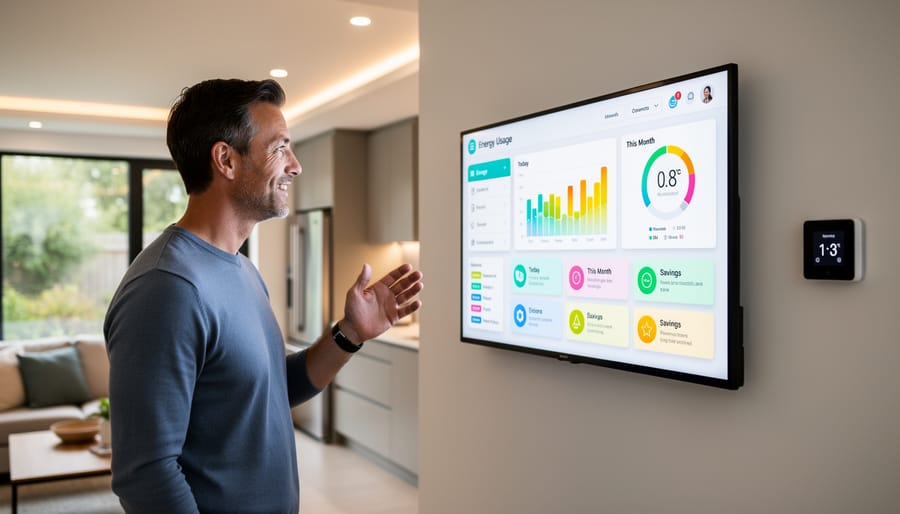
- Connected systems that monitor and optimize energy use in real-time, automatically shifting consumption to match solar production patterns.
Starting with energy efficiency makes the most financial sense. Reducing your consumption through better insulation, efficient appliances, and smart thermostats means you’ll need fewer solar panels to meet your needs. That translates to lower upfront costs and faster payback periods.
Battery storage deserves serious consideration in 2026, especially for North Carolina residents concerned about severe weather. Modern lithium batteries have dropped significantly in price while improving in capacity and lifespan. They let you store midday solar production for evening use and provide backup during outages, something grid-tied solar alone can’t offer.
Electric vehicle charging creates a perfect synergy with home solar. You’re essentially filling your tank with sunshine, and the typical EV owner drives enough miles annually to justify several additional solar panels dedicated to transportation. The combined environmental impact of solar-powered transportation exceeds either technology alone.
Don’t overlook the interaction between these systems. Smart energy management platforms can coordinate battery charging, EV charging, and major appliance use to occur when your solar production peaks. This optimization maximizes self-consumption and minimizes grid dependence, pushing your energy independence even higher while protecting you from utility rate increases.
Common Misconceptions That Education Helps You Avoid
Education separates fact from fiction, and nowhere is this more valuable than in the renewable energy space where outdated information and persistent myths create unnecessary hesitation. Let’s tackle the misconceptions that cause homeowners to delay or abandon solar investments despite genuine benefits.
Solar panels don’t work on cloudy days. This tops the list of misunderstandings. While panels produce maximum output in direct sunlight, they still generate electricity from diffused light on overcast days, typically 10-25% of their peak capacity depending on cloud cover. North Carolina’s climate provides more than enough annual sunshine for excellent solar performance. Germany, with considerably less sun than our state, leads Europe in solar adoption. The panels work; the misconception doesn’t.
Solar requires constant maintenance. Many assume solar systems need regular servicing like HVAC units. Reality: they have no moving parts and require minimal attention. Rain naturally cleans panels in most cases. An occasional rinse with a garden hose handles accumulated pollen. Quality installations include monitoring systems that alert you to any performance issues. Annual professional inspections are beneficial but hardly burdensome.
Installation disrupts your entire home. The actual roof work typically takes one to three days for residential systems. Crews work efficiently, your power stays on during installation, and you experience minimal disruption. Educated homeowners understand the process timeline and prepare accordingly rather than imagining weeks of chaos.
Solar kills your property value. This myth flips reality completely. Studies consistently show solar installations increase home values, often exceeding the system cost. Buyers recognize lower energy bills as tangible savings. Properties with owned (not leased) solar systems sell faster in competitive markets. The Lawrence Berkeley National Laboratory found buyers willing to pay $15,000 more for homes with average-sized solar arrays.
Understanding these realities prevents the paralysis that keeps otherwise interested homeowners from moving forward with renewable energy solutions that genuinely benefit them.
Building a Sustainable Future Through Community Education
When you understand solar energy, you naturally start conversations that spark curiosity in others. A neighbor notices your panels during a backyard barbecue and asks how they’re working out. A friend mentions their rising electric bills. A coworker wonders if solar makes sense for their business. These everyday exchanges become teaching moments that expand renewable energy adoption far beyond your single installation.
Community education creates momentum that individual knowledge can’t achieve alone. When multiple households on a street go solar, installation costs often drop through neighborhood group purchases. Local installers become more familiar with area-specific challenges like tree coverage patterns or utility interconnection quirks. Real estate agents start marketing solar as a standard feature rather than an oddity. The collective shift normalizes renewable energy in ways that isolated early adopters never could.
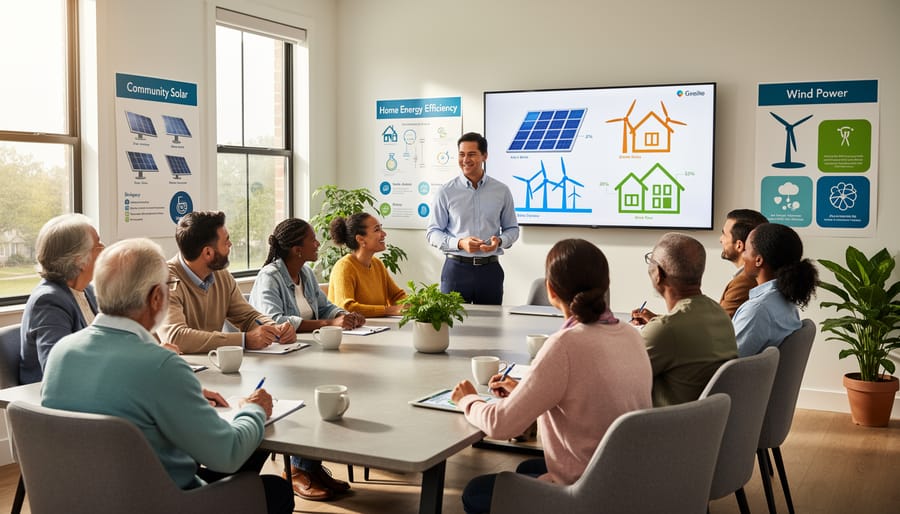
Active participation amplifies this effect. Attending town hall meetings about sustainability policies gives officials direct feedback from informed constituents. Volunteering at community solar workshops or library information sessions spreads accurate knowledge to people who might otherwise rely on misinformation. Supporting local schools that integrate renewable energy into their curriculum builds the next generation’s baseline understanding, making solar as familiar to future homeowners as traditional utilities are today.
Solar Installer Ninja takes this responsibility seriously, offering educational consultations that go beyond sales pitches and hosting community events where residents can ask questions without pressure. Their approach recognizes that an educated community becomes a sustainable community. When more North Carolinians understand how solar works, why it matters financially, and what quality installations look like, everyone benefits from increased accountability, better industry standards, and shared progress toward cleaner energy independence.
Your education becomes community capital. The questions you learned to ask, the resources you discovered, the mistakes you avoided, all of that wisdom helps others make better decisions faster. That ripple effect might be the most valuable return on your investment in learning.
Your journey into green energy education doesn’t end when the panels go on your roof, it’s really just beginning. The most successful solar adopters are those who stay curious, ask questions, and continue learning as technology evolves and their own energy needs change.
Think of education as the framework that transforms your solar investment from a simple purchase into a meaningful step toward energy independence. When you understand how your system works, you’ll notice opportunities to optimize its performance. When you grasp the financial mechanics, you’ll make smarter decisions about upgrades or expansions. When you comprehend the environmental impact, you’ll find motivation to explore additional efficiency measures.
Start small if you’re feeling overwhelmed. Read your utility bill with new eyes. Watch a single educational video about photovoltaic technology. Schedule a consultation with a knowledgeable installer and prepare three good questions. Each piece of information builds on the last, creating a foundation for confident decision-making.
The renewable energy landscape will keep changing, new incentives, improved equipment, emerging technologies, and staying informed means you can adapt rather than worry. Your curiosity becomes an asset, not just for your own household but for neighbors and friends who’ll inevitably ask about your experience.
Solar Installer Ninja believes education should be part of every solar conversation, not an afterthought. We’re here to answer questions at every stage, from “Is solar right for me?” to “What does this monitoring data mean?” Because when North Carolina homeowners make informed decisions about renewable energy, everyone benefits, individual households, local communities, and the environment we all share.
Ready to start learning? Let’s talk.
