
Environmental Education Meets Responsible Online Casino Play: What Clean Energy Advocates Need to Know
Environmental education principles apply directly to online entertainment, including that picked betting site for sports you visit regularly. Every click, stream, and digital transaction consumes electricity, and in 2026, the combined energy footprint of global data centers rivals that of entire nations. Responsible digital behavior isn’t just about screen time or spending limits anymore. It’s about understanding that your online activities, from streaming video to placing an occasional wager, draw power from servers that run 24/7, often cooled by energy-intensive systems.
For North Carolina residents already committed to renewable energy through solar installations or energy-efficient home upgrades, extending environmental awareness to digital habits creates a consistent, values-driven lifestyle. The connection might seem unusual at first. What does responsible online casino play have to do with environmental education? Everything, if you consider the full lifecycle of your digital footprint.
This approach isn’t about abandoning online entertainment. It’s about making informed choices that align with the same environmental principles that guide decisions about home energy use. When you understand how much electricity powers the servers hosting your favorite sites, you can balance enjoyment with accountability. Set time limits, choose platforms transparent about their energy sources, and recognize that responsible digital consumption complements the solar panels on your roof. Environmental education teaches us to consider consequences beyond immediate gratification, whether we’re choosing an energy provider or deciding how to spend leisure time online.
The Hidden Energy Cost of Our Digital Lives
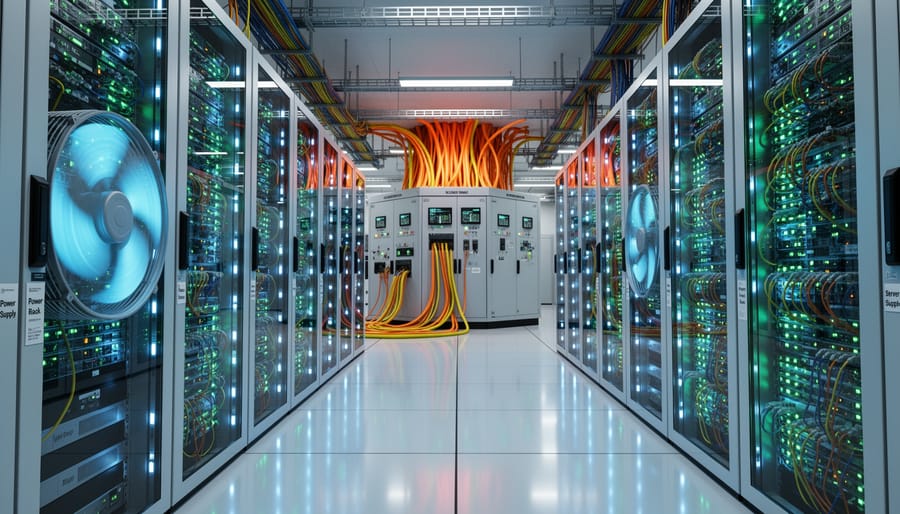
Every time you stream a video, send an email, or load a website, you’re consuming electricity, not just at your device, but across an entire network of data centers that power the internet. These massive facilities, which house the servers storing and transmitting our digital content, consumed roughly 1-2% of global electricity in recent years, and that percentage continues climbing as our online habits expand.
When you fire up an online casino game with its animated graphics and real-time data streaming, you’re drawing power from both your device and the remote servers running the platform. The same goes for streaming movies, video conferencing, or playing cloud-based games. A single hour of high-definition streaming can use as much electricity as a standard LED bulb running for several hours, while more resource-intensive activities like gaming or interactive entertainment platforms demand even more.
The challenge for North Carolina homeowners who’ve invested in solar panels is that most online entertainment happens during evening hours, precisely when your panels aren’t generating power. That 8 PM casino session or Netflix binge runs entirely on grid electricity, potentially sourced from fossil fuels rather than your clean daytime solar production.
Understanding these hidden costs doesn’t mean abandoning online entertainment. Instead, it means recognizing that your environmental footprint extends beyond your roof. The electricity flowing to data centers, network infrastructure, and your devices adds up across millions of users. For someone who’s already made the commitment to renewable energy by installing solar panels, acknowledging this digital energy consumption becomes the next logical step in comprehensive environmental stewardship. Your investment in clean energy generation works best when paired with conscious energy consumption habits, both at home and online.
What Environmental Education Teaches Us About Online Behavior
Environmental education rests on three foundational principles that shape how we interact with our world: understanding cause and effect, practicing mindful consumption, and thinking long-term. These same principles, which guide homeowners toward installing solar panels, apply just as powerfully to how we behave online.
Start with awareness. Environmental education begins by making visible what we typically ignore. Before someone installs solar, they learn to see their energy consumption patterns, often discovering waste they never noticed. The same awakening happens when we examine digital habits. That casino game running in a browser tab, the video streaming while you work, the constant refresh of social media feeds, each action draws power from somewhere. For North Carolina residents who’ve invested in solar, this awareness extends naturally. You monitor your panels’ production; now consider monitoring your digital draw against that output.
Conservation follows awareness. Just as green energy education teaches homeowners to reduce consumption before adding capacity, responsible digital behavior means cutting waste first. Close unused tabs. Disable auto-play videos. Set time limits on energy-intensive entertainment. These small actions mirror turning off lights in empty rooms, obvious once you notice, but easy to overlook.
Intentionality transforms random actions into deliberate choices. Environmental education rejects the “set it and forget it” mentality. Solar owners check their systems regularly, adjust consumption during peak production hours, and stay informed about efficiency improvements. Apply this same intentionality online. Choose when to engage in high-consumption activities rather than leaving them running continuously. Select platforms based on their energy practices, not just convenience. Ask whether each digital session serves a purpose or simply fills time.
Teaching these principles through interactive methods, like solar energy games that demonstrate cause and effect, shows that education works better than restriction. Similarly, understanding the energy cost of your online entertainment leads to better choices than arbitrary rules. When you grasp that an hour of online gaming during peak solar production uses clean energy while the same activity at midnight draws from the grid, you make informed decisions aligned with your values.
This educational approach respects your intelligence. You chose solar because you understood the benefits, not because someone lectured you. The same respect applies to digital consumption. Understand the impact, recognize the patterns, then decide consciously how to act.
The Parallel Between Solar Investment and Responsible Online Choices

When you chose to invest in solar panels, you didn’t make that decision impulsively. You researched efficiency ratings, compared installation costs, calculated long-term savings, and weighed the solar environmental benefits against your initial investment. This same methodical approach applies directly to responsible digital consumption, including online entertainment choices.
Both solar investment and mindful online activity demand understanding true costs. Your solar panels represent upfront expense for sustained value, exactly the opposite of chasing quick wins in energy-intensive online platforms. You recognized that cheaper, poorly-manufactured panels would cost more over time through repairs and inefficiency. Similarly, platforms promising easy rewards often extract the highest cost through excessive time, energy consumption, and potential financial loss.
Setting boundaries matters in both arenas. You determined how much roof space to allocate for panels, how much to invest initially, and what monthly savings would justify the project. Responsible digital habits require identical limit-setting: how much time you’ll spend on entertainment sites, what budget makes sense, and when energy-intensive activities fit your schedule. Solar owners who time their dishwasher cycles to peak production hours already grasp this concept, they’ve made high-consumption activities work with their energy values rather than against them.
The sustainability mindset connects both choices. You didn’t install solar panels expecting immediate payoff or dramatic results overnight. You committed to a long-term strategy that gradually reduces environmental impact and energy costs. This patience and perspective, valuing steady, sustainable outcomes over instant gratification, is precisely what responsible online behavior requires. The same person who researches panel warranties and efficiency degradation over twenty years has the temperament to avoid impulsive digital consumption that contradicts their environmental values.
Your solar investment already proves you possess the discipline, research skills, and long-term thinking that responsible digital choices demand.
Practical Steps for Environmentally Conscious Online Activity
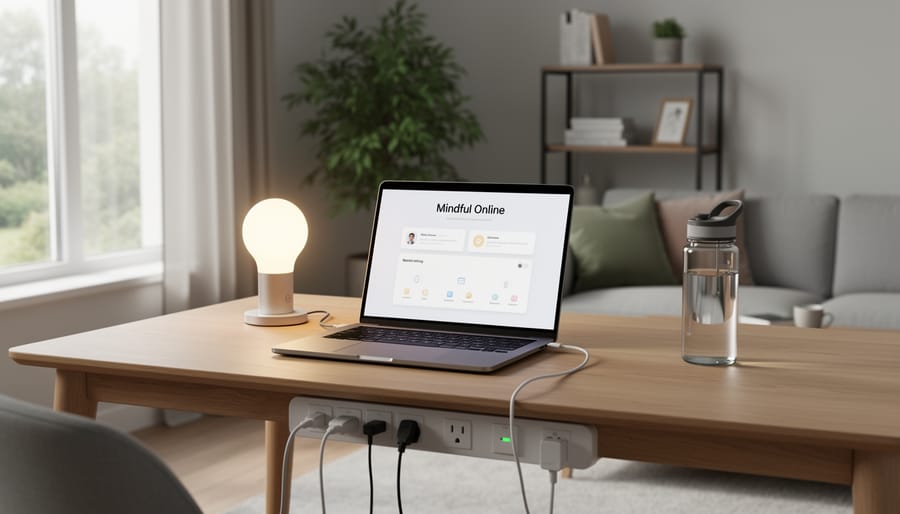
North Carolina’s abundant sunshine makes solar investment particularly rewarding, but maximizing those environmental benefits means thinking about when and how you consume energy digitally. The same homeowners who carefully research panel efficiency should apply that same intentionality to their online habits. Here are concrete ways to align your digital consumption with your environmental values.
Start with your equipment. Energy-efficient devices consume 20-50% less electricity than standard models. Look for ENERGY STAR certifications on computers, routers, and streaming devices. Replace older equipment that draws power constantly, even a five-year-old desktop can waste significant energy compared to modern laptops. For business owners running multiple workstations, these upgrades compound quickly into meaningful savings that complement your solar installation.
- Schedule bandwidth-heavy activities during peak solar production hours (typically 10 a.m. to 3 p.m. in North Carolina) when your panels generate maximum power.
- Download large files, stream high-definition content, or engage in online entertainment during these midday windows rather than evening hours when you draw from the grid.
- Configure automatic updates and backups to run during solar peak times, ensuring you use the clean energy you’re generating.
- For entertainment activities like online gaming or casino platforms, set specific timeframes that coincide with your system’s best production hours.
This strategic timing transforms your digital consumption from a grid burden into an opportunity to maximize your solar investment’s value.
Platform selection matters more than most people realize. Research which entertainment sites and services prioritize environmental responsibility. Major streaming services now publish sustainability reports detailing data center efficiency and renewable energy commitments. Apply the same scrutiny to any online platform you use regularly, including casino sites, some operators power their servers with renewable energy while others ignore environmental impact entirely. Your choice as a consumer influences industry practices.
Set personal boundaries that reduce carbon footprint just as you would limit water usage or gasoline consumption. Designate device-free hours, particularly during evening grid peak demand. Close browser tabs and applications you are not actively using since background processes consume unnecessary power. For online entertainment, establish session limits that prevent mindless extended use, responsible digital habits mirror responsible energy consumption.
Enable power management features on all devices. Screens dimmed to comfortable levels, sleep modes activated after short idle periods, and Wi-Fi routers on timers during nighttime hours all contribute to reduced consumption. Business owners can implement network-wide policies that automatically power down non-essential equipment outside business hours, ensuring your facility’s digital infrastructure respects the same efficiency standards as your solar-powered operations.
Supporting American-Made Solutions in Digital and Energy Spaces
When you invest in American-made solar panels, you’re supporting domestic manufacturing, reducing shipping emissions, and backing companies held to stricter environmental standards. This same principle applies to your digital choices.
Many US-based online platforms operate data centers powered partly by renewable energy and follow more rigorous environmental regulations than offshore alternatives. Companies like Google, Microsoft, and Apple have committed billions to renewable energy for their server farms, often sourcing clean power from domestic wind and solar projects. When you choose platforms hosted by these providers, you’re indirectly supporting the renewable energy market that benefits solar installers and homeowners alike.
North Carolina businesses can investigate whether their digital service providers use green hosting or purchase renewable energy credits. For online entertainment, look for platforms transparent about their energy sources and data center locations. US-regulated operations typically provide clearer information about their environmental practices than overseas providers.
This consistency matters. If you’ve chosen solar because you value American jobs and environmental accountability, extending those values to digital consumption strengthens the broader market for clean energy solutions.
Your commitment to environmental responsibility doesn’t stop at your solar installation. The same values that led you to invest in renewable energy, mindful resource use, long-term thinking, understanding hidden impacts, should guide every aspect of your life, including your digital habits.
When you chose solar panels for your North Carolina home or business, you demonstrated that you take environmental stewardship seriously. You researched options, considered efficiency, calculated long-term benefits, and made an informed decision. Apply that same thoughtful approach to your online activities. The electricity powering your internet connection matters just as much as the electricity running your lights.
True sustainability means consistency. Your environmental education isn’t complete when the solar panels go up; it extends to how you use the clean energy you’re generating. By bringing the same intentionality to your digital consumption that you brought to your energy production, you create a genuinely comprehensive approach to reducing your environmental impact, one that honors both the investment you’ve made and the planet we all share.
