

10 Practical Ways to Reduce Your Carbon Footprint in 2026
Reducing your carbon footprint comes down to making intentional choices in how you power your home, move around, eat, and consume. The ten strategies in this guide range from switching to renewable energy and upgrading to energy-efficient appliances to adjusting everyday habits like diet and shopping. Each action offers measurable impact, and you can start with the changes that fit your current situation and budget.
Climate change feels overwhelming when framed as a global crisis, but your individual decisions add up. American households account for roughly 20% of the nation’s greenhouse gas emissions, which means the choices you make at home genuinely matter. The good news? You don’t need to overhaul your entire life overnight. Small shifts in transportation, energy use, and consumption patterns can cut your personal emissions significantly.
We’re leading with renewable energy because it delivers the biggest reduction in carbon output. Installing solar panels on your home can eliminate 80% or more of your electricity-related emissions, and the residential solar cost in 2026 is more accessible than ever thanks to federal tax credits and improved technology. But solar isn’t the only lever you can pull. Rethinking how you get to work, what you eat for dinner, and how you heat your home all contribute to a lower carbon footprint.
This list prioritizes practical strategies you can implement right now. Some require upfront investment but pay dividends over time. Others cost nothing and simply ask you to be more mindful. We’ll walk through each approach with clear explanations, real-world context, and honest assessments of what works best for different households.
How We Chose These Carbon Reduction Strategies
We selected these ten strategies using three core criteria that reflect real-world constraints facing North Carolina residents and businesses.
First, we prioritized measurable impact. Each strategy on this list demonstrably reduces carbon emissions, whether through direct energy savings, avoided transportation emissions, or reduced consumption. We skipped feel-good gestures that look sustainable but don’t move the needle.
Second, we focused on accessibility and cost-effectiveness. Some strategies require upfront investment but pay for themselves over time, while others cost nothing to implement. We included options for renters, homeowners, and business owners at different budget levels. Not everyone can install solar panels tomorrow, but everyone can take meaningful action with the resources they have today.
Third, we considered North Carolina’s climate, infrastructure, and community resources. Strategies that work brilliantly in dense urban areas with extensive public transit might flop in our more car-dependent communities. We tailored this list to what actually makes sense here, from native tree species that thrive in our climate to local farmers’ markets and renewable energy incentives available in our state. Several strategies also complement each other, improving energy efficiency, for instance, makes solar installations more effective and affordable.
1. Switch to Solar Energy for Your Home or Business
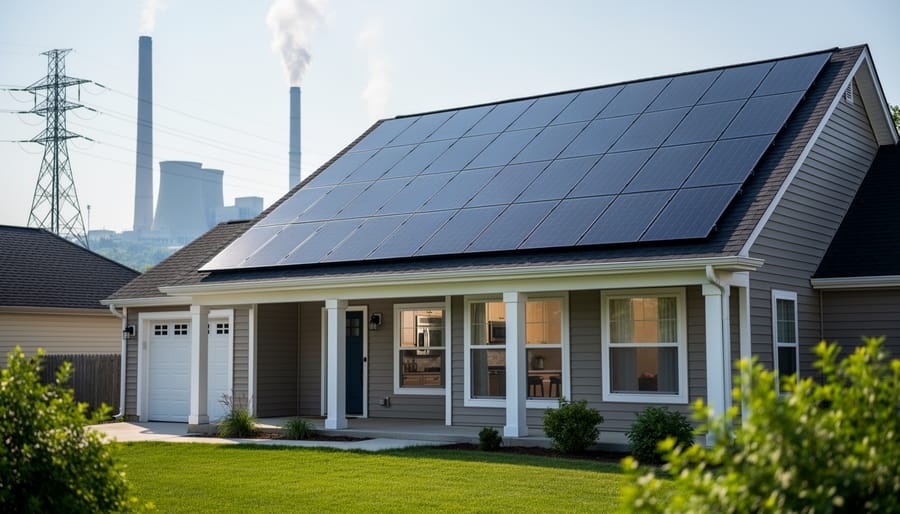
Switching to solar power is the single most impactful step you can take to shrink your carbon footprint. When you install solar panels on your home or business, you’re directly replacing electricity that would otherwise come from coal and natural gas plants. In North Carolina, where fossil fuels still generate about 60% of grid power, the shift makes a real difference. A typical residential solar system here offsets roughly 3 to 4 tons of carbon dioxide annually, equivalent to planting 100 trees or taking a car off the road for several months.
For businesses, the impact scales even larger. A modest commercial solar cost investment can eliminate tens of thousands of pounds of emissions each year while cutting your operating expenses. The environmental payback happens quickly, most systems offset the carbon from their manufacturing within two to three years, then deliver clean energy for 25 years or more.
Quality matters here. American-made panels typically meet stricter environmental standards during production and support manufacturing jobs that strengthen local economies. When you choose a local installer who prioritizes craftsmanship, you’re ensuring your system performs efficiently for decades, maximizing both your carbon savings and your return on investment.
The technology keeps improving, too. Advances in solar panel technology mean today’s systems generate more clean electricity from the same roof space than ever before. Whether you install a full system now or start with a partial array, you’re making a measurable, lasting contribution to reducing greenhouse gas emissions while taking control of your energy costs.
2. Improve Your Home’s Energy Efficiency

Improving your home’s energy efficiency directly cuts the carbon emissions tied to heating, cooling, and powering your space. Even if you’re not ready to install solar panels yet, efficiency upgrades reduce how much electricity you pull from the grid, which in North Carolina still relies partly on fossil fuels. Think of it this way: the cleanest energy is the energy you never need in the first place.
Start with the upgrades that deliver the biggest carbon reduction for your investment:
- Air sealing gaps around windows, doors, and ductwork prevents conditioned air from escaping
- Attic insulation upgrade to R-38 or higher dramatically cuts heating and cooling loads
- LED bulb replacement throughout your home uses 75% less energy than incandescent lighting
- Programmable or smart thermostat installation optimizes temperature schedules and reduces waste
- Water heater insulation blanket and pipe wrapping minimize standby heat loss
Renters can make an impact too. Swap out bulbs, use draft stoppers under doors, add thermal curtains, and talk to your landlord about thermostat upgrades or weatherstripping. These changes pay for themselves through lower utility bills while cutting your carbon output month after month.
If you do add solar later, efficiency work means you’ll need a smaller system to meet your needs, which saves money upfront and maximizes your environmental benefit. A well-insulated home paired with renewable energy is the gold standard, but every efficiency improvement counts even on its own. Walk through your home with an eye for air leaks and energy waste. You’ll likely spot several quick wins you can tackle this weekend.
3. Drive Less and Choose Greener Transportation

Transportation accounts for roughly 28% of U.S. carbon emissions, making it one area where your daily choices add up fast. In North Carolina, where many communities lack robust public transit and sprawl makes car-free living difficult, the goal isn’t to eliminate driving overnight, it’s to reduce unnecessary trips and explore alternatives when possible.
Start by consolidating errands into single trips rather than making multiple short drives throughout the week. Batch grocery shopping, appointments, and other tasks. This simple planning cuts both emissions and fuel costs. When weather permits, walk or bike for trips under two miles. Many North Carolinians live closer to daily destinations than they realize.
Carpooling makes a measurable difference. Sharing your commute with even one coworker cuts your driving emissions in half. Some employers offer carpool matching programs or preferential parking for shared vehicles. For parents, organizing carpool rotations with other families for school runs and activities reduces everyone’s carbon load.
If your area has public transit, even limited bus service, using it occasionally for routine trips keeps cars off the road. Many cities now offer route-planning apps that make transit more accessible than you’d expect.
Electric vehicles dramatically reduce transportation emissions, especially when charged with renewable energy. They’re worth considering when you’re already in the market for a new vehicle, but keeping your current car maintained and driving it less often remains the most practical step for most households right now.
4. Reduce, Reuse, and Recycle Deliberately
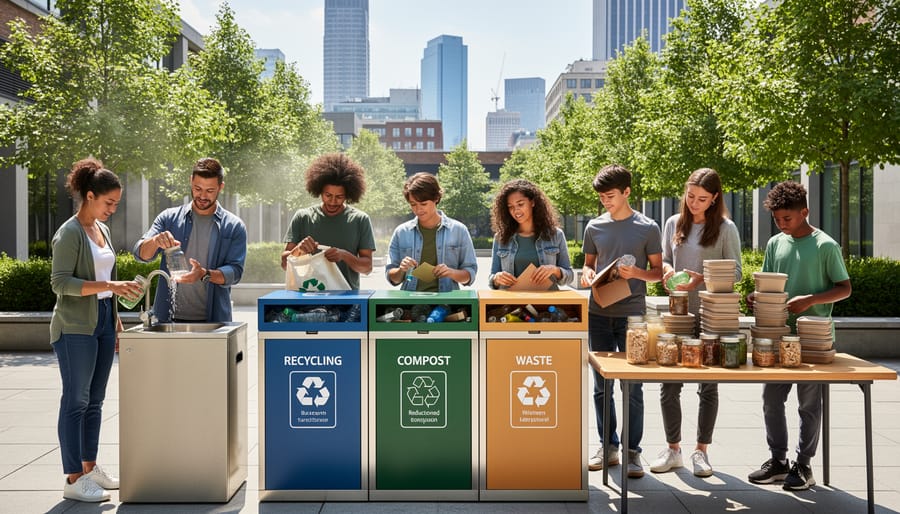
The “reduce, reuse, recycle” mantra works best when you follow that exact order, reduction prevents emissions before they happen, which beats recycling every time.
Manufacturing new products generates substantial carbon emissions: extracting raw materials, processing them, transporting components, and running factories all burn fossil fuels. When you buy less stuff and make what you own last longer, you sidestep those emissions entirely. A $15 reusable water bottle that lasts five years prevents roughly 1,800 disposable plastic bottles from being produced, each of which requires energy-intensive petroleum refining and manufacturing. The same logic applies to clothing, furniture, tools, and electronics, durability beats disposability.
North Carolina counties run varied recycling programs, and not all accept the same materials. Most take clean cardboard, paper, aluminum, and certain plastics (#1 and #2), but items like plastic bags, styrofoam, and greasy pizza boxes typically don’t belong in curbside bins. Check your county’s solid waste website for specifics rather than tossing questionable items in and hoping for the best.
Composting food scraps and yard waste keeps methane-generating organic matter out of landfills while creating nutrient-rich soil amendment. Even a small compost bin on an apartment balcony handles coffee grounds, vegetable peelings, and eggshells. Some North Carolina municipalities offer curbside composting or drop-off sites if home composting doesn’t fit your situation.
Avoiding single-use plastics, disposable cutlery, straws, takeout containers, excessive packaging, makes a tangible difference. Bring reusable bags to grocery stores, carry a travel mug for coffee, and choose products with minimal or recyclable packaging when you do need to buy something new.
5. Eat More Plant-Based Meals

Livestock farming accounts for roughly 14.5% of global greenhouse gas emissions, more than all cars, trucks, ships, and planes combined. The reason comes down to resource intensity: raising animals for meat and dairy requires massive amounts of land, water, and feed crops, while also producing methane (a particularly potent greenhouse gas) during digestion.
You don’t need to go vegetarian or vegan to make a difference. Even swapping two or three meat-heavy dinners per week for plant-based meals can cut your food-related carbon footprint by 20-30%. A single pound of beef produces about 27 pounds of carbon dioxide equivalent, while the same amount of lentils or beans produces less than one pound.
Start with simple substitutions rather than complete diet overhauls. Try “Meatless Mondays,” replace ground beef with black beans in tacos, or make pasta with marinara instead of meat sauce. Chicken and pork have significantly lower carbon footprints than beef and lamb, so shifting toward poultry reduces impact even when you’re eating meat. When you do choose animal products, buying locally raised options from North Carolina farms often means fewer transportation emissions and supports sustainable agriculture practices in your community.
Cultural food traditions matter, and you shouldn’t abandon dishes that bring your family together. Instead, look for ways to adapt recipes, use half the meat and add more vegetables, or save traditional meat dishes for special occasions while exploring plant-forward cooking the rest of the week.
6. Support Local and Sustainable Businesses

Every product you buy carries a hidden carbon cost, not just from manufacturing, but from the fuel burned shipping it across oceans and continents. When you choose a tomato from a North Carolina farm stand instead of one trucked from California, you’re eliminating thousands of transportation miles and the emissions they generate. Local purchasing also tends to mean simpler packaging, shorter refrigeration chains, and products made in smaller batches with more attention to waste.
North Carolina’s farmers’ markets offer fresh produce, meats, and dairy from nearby farms, typically harvested within days rather than weeks. Beyond food, look for furniture makers, textile producers, and craft businesses operating in your region. These businesses often source materials closer to home and produce goods built to last rather than designed for quick replacement.
American-made products, particularly those manufactured regionally, dramatically reduce the carbon footprint compared to overseas manufacturing. When North Carolina factories produce goods for local markets, they avoid the container ships and long-haul trucks that dominate global supply chains.
Identify genuinely sustainable businesses by checking for B Corporation certification, which requires verified social and environmental performance, or USDA Organic and Fair Trade certifications. Many local businesses will transparently share their sourcing and production practices if you ask, legitimate sustainability efforts are something companies want to discuss.
Supporting these businesses creates a feedback loop: your dollars help them grow, making sustainable options more available and affordable for everyone in your community.
7. Conserve Water at Home and Work

Water conservation might not seem like a carbon footprint issue at first glance, but treating, heating, and pumping water accounts for roughly 5% of U.S. energy consumption. Every gallon you save means less electricity spent at treatment plants and, if it’s hot water, less energy burned in your home’s water heater.
Start with your water heater, which typically generates 14-25% of home energy use. Lower the thermostat to 120°F instead of the factory setting of 140°F, you’ll still have plenty of hot water for showers and dishes while cutting standby heat loss. Insulate older water heater tanks with a blanket kit from any hardware store, and wrap accessible hot water pipes to prevent heat from escaping before it reaches your faucet.
Low-flow showerheads and faucet aerators deliver the same water pressure while using 30-50% less water. A quality low-flow showerhead costs $15-40 and installs in five minutes with no tools. For a family of four, that single swap can save 2,900 gallons per year and the energy that would have heated it. Fix leaky faucets and running toilets promptly, a toilet that runs constantly can waste 200 gallons daily, along with the energy used to treat and deliver that water.
Quick water-saving actions that also reduce carbon emissions:
- Run dishwashers and washing machines only with full loads
- Take shorter showers (cutting two minutes saves roughly 10 gallons)
- Turn off taps while brushing teeth or scrubbing dishes
- Install rain barrels to collect water for gardens and landscaping
- Choose native North Carolina plants that thrive without constant irrigation
For outdoor water use, consider North Carolina’s humid climate when planning landscaping. Native plants like switchgrass, black-eyed Susans, and Carolina jessamine require minimal watering once established, unlike thirsty lawns that demand constant irrigation. Water outdoor plants early in the morning or late evening to minimize evaporation, and use drip irrigation or soaker hoses instead of sprinklers, they deliver water directly to roots with far less waste.
At work, the same principles apply. Report leaks to maintenance immediately, and advocate for water-efficient fixtures in bathrooms and break rooms during any renovation. Commercial properties with irrigation systems should ensure controllers are programmed for seasonal adjustment and include rain sensors to prevent watering during storms.
8. Choose Energy-Efficient Appliances and Electronics

Your household appliances and electronics account for a significant portion of your home’s energy use, which translates directly to carbon emissions. When it’s time to replace an aging refrigerator, washing machine, or water heater, choosing an ENERGY STAR certified model can cut energy consumption by 10-50% compared to standard options. These appliances meet strict efficiency guidelines set by the EPA and typically pay for themselves through lower utility bills within a few years.
The key is strategic replacement rather than premature upgrades. Don’t toss a working appliance just because a more efficient version exists, the manufacturing emissions from producing a new unit might outweigh the energy savings. Instead, plan ahead so you’re ready to choose efficiency when something genuinely needs replacing.
Pay attention to standby power drain, sometimes called phantom load. Devices like cable boxes, printers, gaming consoles, and phone chargers continue drawing power even when turned off or fully charged. This invisible energy use adds up across all your electronics. Smart power strips automatically cut power to devices in standby mode, and they’re especially useful for home entertainment systems and office equipment where multiple devices cluster together.
Understanding these efficiency basics is part of broader green energy education that helps you make informed decisions. Check the yellow EnergyGuide labels when shopping, they show estimated annual operating costs, making it easy to compare models and calculate long-term savings alongside the environmental benefits.
9. Plant Trees and Maintain Green Spaces
Trees do double duty in the carbon-reduction game: they pull CO2 directly out of the air through photosynthesis and they lower cooling costs by shading buildings. A mature tree absorbs roughly 48 pounds of carbon dioxide per year, and strategically placed shade trees can cut your air conditioning needs by up to 30 percent.
If you’re planting on your property in North Carolina, choose native species that thrive without excessive watering or maintenance. Oak, dogwood, redbud, and Southern magnolia adapt well to our climate and support local wildlife. Even a small yard can accommodate a few trees, and container planting works for tighter spaces. Place trees on the west and south sides of your home or building for maximum summer shade.
For businesses, landscaping with native groundcovers and shrubs reduces lawn maintenance emissions from mowing and chemical treatments. Green roofs and living walls offer carbon benefits in urban settings where ground space is limited.
Community tree-planting programs throughout North Carolina provide free or low-cost saplings and volunteer opportunities. These initiatives multiply your impact while building neighborhood connections, much like understanding a cost breakdown helps communities make informed energy decisions together. Your city’s parks department or local conservation groups can point you toward upcoming planting events and suitable species for your area.
10. Advocate for Systemic Change in Your Community
Your personal carbon-cutting efforts matter, but they gain exponential power when combined with community-level change. North Carolina’s local governments make decisions every month that affect renewable energy access, building efficiency standards, and public transportation funding. Showing up to town council meetings or emailing your representatives about climate policies might feel small, but elected officials pay attention when constituents speak up consistently.
Supporting green building codes in your municipality accelerates the adoption of energy-efficient construction practices across entire neighborhoods. When new homes and commercial buildings are required to meet higher efficiency standards from the start, the community-wide carbon savings compound year after year. You can also advocate for streamlined permitting processes for solar installations, making it easier for your neighbors to follow your lead.
Joining local environmental groups multiplies your impact through collective action. Organizations like the North Carolina Sustainable Energy Association or regional conservation groups coordinate volunteers, provide expert testimony at public hearings, and run education campaigns that reach thousands. Even a few hours per month contributes to systemic shifts that no individual household could achieve alone.
The businesses and institutions in your community respond to customer and member preferences. When you request sustainable options from local retailers or encourage your workplace to pursue renewable energy, you help create market demand that drives broader adoption. Your individual choices validate larger investments in sustainability infrastructure that benefits everyone.
Common Questions About Reducing Your Carbon Footprint
How much can one person really reduce their carbon footprint?
An individual in North Carolina can realistically cut their personal carbon emissions by 20-40% within the first year through the strategies we’ve covered, with even greater reductions possible over time as you tackle larger changes like solar installation or electric vehicles. While no single person can solve climate change alone, your choices influence others in your community and contribute to the market signals that drive systemic shifts.
What’s the single biggest action I can take?
For most homeowners and businesses, switching to solar energy delivers the largest measurable reduction because electricity generation accounts for a substantial portion of carbon emissions. That said, the “biggest” action is whichever meaningful change you can actually implement and sustain, whether that’s going car-free, overhauling your diet, or improving home efficiency.
Is it too expensive to make these changes?
Many carbon-reducing actions cost nothing or save you money from day one, like adjusting thermostats, reducing food waste, combining errands, and choosing reusable items over disposables. Larger investments like solar panels or efficient appliances carry upfront costs but typically pay for themselves through energy savings, and federal and state incentives often cover a significant portion of the initial expense.
How do I calculate my current carbon footprint?
Several free online calculators let you estimate your footprint by entering information about your home energy use, transportation habits, diet, and consumption patterns. The EPA and reputable environmental organizations offer tools that break down results by category, helping you identify where you have the most potential for improvement.
Do small changes actually matter if big corporations are the main polluters?
Corporate and industrial emissions are indeed massive, but household and individual choices account for roughly 40% of total carbon emissions when you include residential energy, personal transportation, food production, and consumer goods. Your decisions also shape market demand, influence community norms, and give you credibility when advocating for policy changes that hold larger polluters accountable.
These questions come up constantly in conversations about climate action, and they deserve straight answers. The truth is that reducing your carbon footprint isn’t an all-or-nothing proposition. You don’t need to live off-grid in a tiny house or never drive again to make a difference. Start where you are, use what you have, and build from there. Track a few key metrics like your monthly electricity bill or miles driven so you can see progress over time. That tangible feedback makes the effort feel real rather than abstract, and it helps you fine-tune your approach as you go.
Reducing your carbon footprint isn’t about achieving perfection overnight. It’s about making consistent, thoughtful choices that fit your life and budget. If you take away one thing from this guide, let it be this: start where you are, use what you have, and do what you can.
Pick one or two strategies that feel manageable right now. Maybe it’s switching to LED bulbs this month, committing to meatless Mondays, or finally scheduling that energy audit you’ve been considering. Small actions build momentum, and before you know it, what once seemed difficult becomes second nature.
Here’s the powerful truth, you’re not doing this alone. When thousands of North Carolina residents and business owners make similar choices, the collective impact becomes substantial. Your decision to install solar panels, support local farms, or advocate for better public transit contributes to a broader shift in how our communities use energy and resources.
The path to a lower carbon footprint is a journey we’re all on together. Whether you’re just starting to think about sustainability or you’re ready to make significant changes like transitioning to renewable energy, every step forward counts. The future we’re building depends on communities coming together to make these changes real, practical, and lasting.
